
Have you ever caught yourself wondering which slice of history really paved the way for our world today? Honestly, for me and a whole bunch of historians, it usually comes back to one truly remarkable era: the Renaissance. Now, this wasn’t just about pretty paintings and fancy sculptures. We’re talking about an all-out explosion of fresh ideas, scientific discoveries, and a total game-changer in how people saw themselves and the universe. And here’s the thing, we’re still feeling its impact now. Figuring out why the Renaissance inspired so much modern creativity can actually teach us a ton about unlocking our own creative sides.

What Exactly Was the Renaissance?
So, let’s start with the basics. The word “Renaissance” is French for “rebirth,” which is honestly spot-on for what happened during this time. Picture Europe from roughly the 14th to the 17th century, a place buzzing with excitement as folks rediscovered the art, literature, and philosophy of ancient Greece and Rome. But they weren’t just copying old stuff, they used those classics as a launchpad to dream up entirely new things. This period was packed with curiosity, artistic booms, and some wild scientific leaps that totally changed how people thought about everything.

What Sparked All That Creativity?
Okay, so what made this era such a hotbed for new ideas? It wasn’t just one thing; it was more like a perfect storm of influences all coming together at once.
Humanism: A Fresh Perspective
First up: humanism. This was a big shift away from medieval thinking which was pretty focused on religious rules toward putting people and their achievements in the spotlight. Humanism encouraged folks to ask questions, observe the world around them, and chase knowledge just because they wanted to know more. Artists and thinkers started exploring real human emotions and nature itself with brand-new curiosity. In short, this mindset set the stage for some seriously creative breakthroughs.

Patronage: The Power Behind the Artists
Let’s be real, creativity needs support! Back then, wealthy families (think: the Medicis in Florence), popes, and dukes stepped up as patrons. They gave artists, architects, and scholars enough money so they could focus on their work without worrying about paying rent or buying dinner. Just imagine Leonardo da Vinci tinkering away at his inventions without stressing over groceries that’s what patronage made possible.

Rediscovering Lost Knowledge
Another huge factor? Scholars started digging up old texts from ancient Greece and Rome, works by Plato, Aristotle, Cicero, you name it. Translating these treasures opened up a whole new world of ideas. But instead of just repeating what those guys said, Renaissance thinkers built on it, questioned it, and launched their own debates. This back-and-forth between old wisdom and new insights helped fuel even more innovation.
The Art Revolution: How Creativity Took Center Stage
If there’s one thing everyone remembers about the Renaissance, it’s probably those jaw-dropping works of art and honestly, who could blame them? The changes in art were nothing short of revolutionary.
Brand-New Techniques
Artists started playing with techniques that totally transformed painting and sculpture:
- Linear perspective: Suddenly you could make things look three-dimensional on flat surfaces, thanks to pioneers like Brunelleschi.
- Realism: People began painting humans (and everything else) with way more detail and accuracy.
- Chiaroscuro: That dramatic play between light and shadow gave artwork depth like never before.
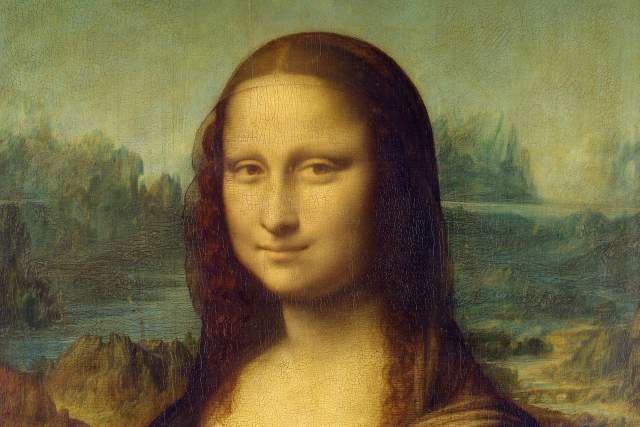
You’ve got Leonardo da Vinci experimenting with soft transitions (his famous “sfumato”) or Michelangelo sculpting figures that almost seem to move, they really pushed the envelope on what was possible.
Art Reflecting New Values
But here’s something cool: art started showing not just religious scenes but also everyday life, mythology, portraits basically anything that captured human experience or emotion. This focus on individual people and worldly beauty echoed bigger cultural shifts happening everywhere else during this time.
Big Leaps in Science & Technology
The Renaissance wasn’t just an art party, it was also ground zero for some serious scientific discoveries and tech inventions.
Game-Changing Inventions
A few highlights:
- The printing press: Thanks to Gutenberg around 1440, books became cheaper and easier to get your hands on which meant ideas spread faster than ever.
- Navigation tools: Sailors got better ships (like caravels) plus gadgets like astrolabes and improved maps, kicking off epic voyages around the globe.
- Military advancements: Gunpowder weapons forever changed how wars were fought.

Kickstarting Modern Science
Curiosity ran deep during this era. Copernicus dared to say maybe Earth wasn’t at the center of everything (a bold move!), paving the way for Galileo’s stargazing adventures later on. Andreas Vesalius took anatomy apart, literally, to map out how our bodies work in detail no one had seen before. The big takeaway? These folks relied on observation and experimentation instead of just taking someone else’s word for it, a mindset that basically launched modern science as we know it.

The Role of Genius Minds
Of course, every great era has its rock stars and wow did the Renaissance deliver!
Polymaths: Masters of Everything
Leonardo da Vinci might be the ultimate example, a guy who painted masterpieces and sketched designs for helicopters centuries before they existed! But he wasn’t alone; plenty of thinkers dabbled in multiple fields at once. Their relentless curiosity led them to connect dots across art, science, engineering, you name it.

Philosophy That Encouraged Bold Ideas
The period also saw a revival of philosophical movements like Neoplatonism alongside good old humanism. These philosophies urged people not only to question established ideas but also to believe they could shape their own destinies through reason and creativity, a radical thought compared to earlier times!
Why Does This Era Stand Out So Much?
Sure, lots of periods had bursts of innovation but what makes the Renaissance really special?
A Culture That Celebrated Talent
Cities competed to attract top artists or scholars (especially in Italy), so there was always motivation to outdo each other creatively. Plus everyone from rulers down to regular folks, seemed hungry for beauty and knowledge alike.

From Medieval Routine to Renaissance Daring
Compared to medieval times which often kept creativity boxed in by tradition, the Renaissance let individual expression take center stage across every field imaginable: art got bolder; science became more experimental; technology leapt forward; philosophy questioned everything under the sun.
Lasting Impact: How It Changed Our World
Here’s where things get even more interesting, the effects didn’t stop when the period ended!
Seeds Planted for Modern Life
The scientific method we use today? Born from Renaissance ways of thinking. Our obsession with originality in art? Same roots! Even our understanding of astronomy or anatomy traces straight back to breakthroughs from this era.
So if you ever find yourself marveling at some cool gadget or stunning piece of artwork today, chances are you’re seeing echoes from that long-ago explosion of creativity.
Wrapping Up
All in all, there’s a reason people still talk about the Renaissance like it was pure magic, it kind of was! From mind-blowing paintings to foundational discoveries in science and tech, this age showed us what happens when curiosity meets opportunity meets inspiration (with a little financial backing thrown in). So next time you’re struck by something innovative or beautiful around you, take a second to tip your hat to those trailblazers from centuries ago, they taught us how far imagination can really go!