
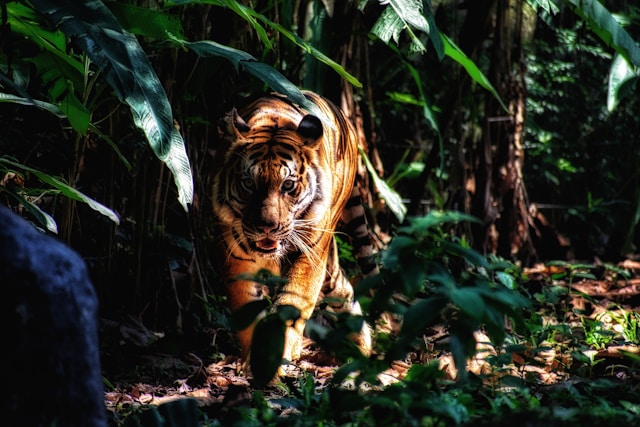
Let’s imagine a majestic tiger, its stripes blending perfectly into the forest, moving so quietly you’d never know it was there. Or maybe you hear the deep, thunderous roar of a lion rolling across the African savanna as the sun dips down for the night. These big cats aren’t just symbols of wildness and strength, they’re actually vital to keeping our planet healthy. But here we are in 2025, and honestly? Their future is hanging by a thread. The question of why protecting big cats is so urgent right now has never felt more real or more important. Their silent disappearance is like an alarm bell going off for all of us, and we’re standing at a major crossroads where what we do or don’t do, will decide what happens next.
The Critical State of Big Cat Populations
Let’s get real for a second: the numbers are tough to look at. If you want to see why wildlife conservation for big cats matters, just check out these stats. Pretty much every big cat species is running out of time and fast.
- Tigers: There are only about 5,000 wild tigers left out there. That’s a tiny fraction compared to what their population used to be, even though there’s been a small bump in recent years.
- Lions: African lions have dropped by more than 40% over the last twenty years. It’s no wonder that urgent conservation efforts for lions and tigers are ramping up.
- Jaguars: The biggest cat in the Americas is losing its home at an alarming rate, its forests keep shrinking.
- Snow Leopards: These mysterious “ghosts of the mountains” number fewer than 6,500. Between poaching and climate change, things aren’t looking great.

So yeah, this isn’t just some slow decline, it’s more like a steep slide toward extinction for some of nature’s most incredible creatures.
Why Are Big Cats Disappearing? a Major Threat
If we want to help, first we’ve got to face the tough stuff head-on. The challenges facing big cat conservation are complicated and tangled together and honestly, people are at the heart of almost every problem.
Habitat Loss and Fragmentation
The biggest threat? It’s pretty simple: big cats are losing their homes. With farms spreading out, trees being cut down for timber, and new roads slicing through forests and grasslands, their world keeps shrinking. The effects of habitat loss on big cats right now are just devastating. They’re forced into smaller areas that don’t connect with other habitats, which means they can’t find mates or enough food. This isolation weakens populations, think less genetic diversity which makes them easier targets for disease or disaster. Imagine waking up every day to find your neighborhood getting smaller and smaller with new walls popping up everywhere you turn. That’s exactly what these animals are dealing with.

Poaching and Illegal Wildlife Trade
Then there’s poaching, the impact of illegal wildlife trade on big cats is still horrifyingly real. People want their skins, bones, teeth, you name it, fueling this dangerous black market worth billions. Protecting big cats from poaching means going after organized crime rings that don’t care about wiping out entire families of lions or leaving tiger cubs alone when their mother is killed. Every animal lost isn’t just one life gone; it rips holes in social groups and breaks up generations.
Human-Wildlife Conflict
And let’s not forget: as wild spaces disappear, big cats end up closer to people than ever before. When a hungry leopard goes after someone’s livestock because it has nowhere else to hunt, farmers sometimes fight back, to protect what little they have left. This cycle hurts everyone: animals die needlessly and communities lose out too. Finding ways for people and big cats to live together peacefully (and making sure local voices are heard) is absolutely essential if we want things to change.

Climate Change
Oh, and climate change? It isn’t some distant threat anymore; it’s happening right now. Rising sea levels threaten places like the Sundarbans (where unique tigers live), while weird weather messes up prey migrations so predators go hungry or starve altogether. Climate change doesn’t just pile on new problems, it makes every other challenge harder to fix.
Why Big Cats Matter (A Lot More Than You Might Think)
So why should you care? Well, besides being amazing to watch on documentaries or safaris, big cats play a huge role in keeping ecosystems balanced, the role of big cats in protecting nature can’t be replaced by anything else out there.
They’re apex predators (which basically means they sit at the very top of the food chain). By hunting herbivores like deer or antelope, they keep those populations from exploding otherwise plants would be overgrazed and whole landscapes could collapse. This ripple effect protects forests and grasslands so everything else from bugs to birds, can thrive too. Healthy populations of big cats tell us an ecosystem is doing well; when they vanish, it usually means everything else is falling apart as well including stuff humans depend on like fresh water or fertile soil.

A Glimmer of Hope: What’s Working in Conservation
Okay, enough doom and gloom! There really is hope out there thanks to dedicated people coming up with creative ways to save these animals.
- Community-Led Conservation: Take Namibia for example: local communities run conservancies that let them benefit from ecotourism instead of seeing wildlife as enemies or pests. When locals have a stake in protecting animals like lions or leopards (and actually see benefits), everyone wins.
- Stronger Laws & Enforcement: Good government policies make a difference too like more patrols on the ground using drones or camera traps plus tougher penalties if you get caught poaching.
- Wildlife Corridors: Maybe one of the coolest ideas? Creating “wildlife corridors”, safe paths connecting different habitats so animals can move around freely without running into human obstacles (or each other). This helps them find food and mates which keeps populations healthy over time.
How You Can Help Save Big Cats
Here’s where you come in, you don’t have to be trekking through jungles with scientists to make an impact! Here are some simple but powerful ways you can join the fight:
- Support Trustworthy Groups: Donate money or volunteer with organizations like Panthera, WWF or Wildlife Conservation Society; they’re doing amazing work right now.
- Shop Smart & Travel Responsibly: Never buy products made from endangered species and if you travel somewhere wild? Pick eco-friendly tour companies who respect local wildlife.
- Speak Up: Use your voice! Share stories about these issues online or talk about them with friends/family and vote for leaders who take environmental protection seriously.
- Spread Awareness: Honestly? Just talking about what’s going on helps more than you might think, it gets others involved too.

Don’t Wait: The Time For Action Is Now
The truth is simple: our world’s most iconic wildlife, the tigers lurking through jungles or lions ruling wide open plains, could disappear forever unless something changes soon. But here’s the good news: we really do have power here if we act together with compassion and urgency, to protect them for future generations (and ourselves). Saving these incredible animals isn’t just about keeping zoos interesting; it means preserving entire ecosystems that keep our world alive.
Time’s ticking louder than ever…so what role will you play?