
When you think about medieval history, what pops into your head first? Knights in shining armor? Towering castles? Maybe something about the so-called “Dark Ages”? Yeah, those are all pretty classic images, but honestly, the medieval period which covers a huge stretch from the 5th to the late 15th century, is a lot weirder and way more interesting than most people realize. So, if you’re ready to have your mind blown a little bit, let’s jump into some wild and lesser-known medieval history trivia. Forget the stuffy textbook facts, these are the quirky details that really show what life was like back then.
1. Animals Could Be Put on Trial (And Executed!)
Okay, this one sounds totally bonkers, but it’s true. In medieval Europe, animals could actually be put on trial for crimes. We’re talking real legal proceedings here, not just some odd village superstition. Pigs were sometimes charged with murder (usually for attacking kids), locusts got sued for destroying crops, and even tiny weevils had their day in court.
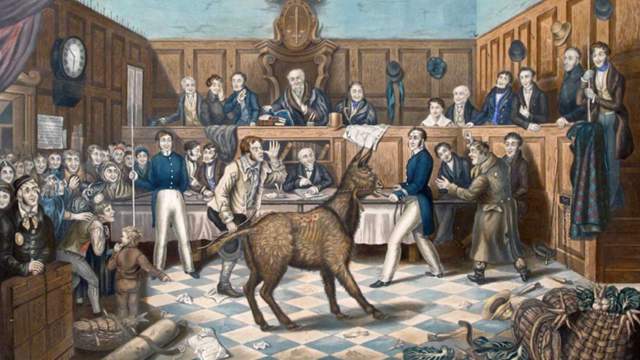
These trials weren’t half-baked either. Sometimes animals even got their own lawyers! Take this for example: In 1474, a rooster in Basel, Switzerland was put on trial because it laid an egg, something only hens are supposed to do. Folks thought it might be a cockatrice egg (which people believed could hatch into a monster), so they burned the poor rooster at the stake. Seriously. Stories like these just go to show how blurry the lines between human and animal responsibility could get back then.
2. Medieval Football Was Basically Just a Riot
You know football (or soccer) as a pretty organized sport today, right? Well, medieval football, sometimes called “mob football” was basically mayhem in motion. Whole villages or towns would play against each other with barely any rules at all, and goals could be miles apart.

The goal? Get an inflated animal bladder to a certain spot by any means necessary. Kicking, punching, biting, it was all fair game. Weapons sometimes came out too! Injuries happened all the time and yes, people actually died playing this “game.” Kings tried banning it more than once because things got so out of hand, but folks loved it too much to stop. Compared to modern sports, this is one of those facts that’ll leave you speechless.
3. People Were Honestly Scared of Forks
So here’s one that might surprise you: forks freaked people out when they first showed up in parts of medieval Europe. When a Byzantine princess brought golden forks to Venice as part of her wedding dowry in the 11th century, some church leaders went nuts over it. They called forks sinful and decadent because God gave us fingers for eating, why use anything else?

A well-known cardinal named Peter Damian even said using forks showed “excessive pride and luxury.” It took ages before forks became normal across Europe. Just goes to show how something as simple as cutlery can seem totally outrageous depending on when (and where) you live.
4. The Mysterious “Dancing Plague” of 1518
If you think dance crazes are just a modern thing, think again! One of history’s strangest events, the Dancing Plague, hit Strasbourg (in present-day France) in 1518. It started with one woman dancing non-stop in the street and quickly spread; within weeks there were hundreds dancing uncontrollably.

This wasn’t just harmless fun, people literally danced themselves to death from exhaustion or heart failure! Authorities had no idea what was going on. Their first solution? They built a stage and hired musicians so people could dance even more (not exactly helpful). Some experts think it was mass hysteria or maybe caused by ergot poisoning (a fungus that messes with your mind), but no one really knows for sure.
5. Knights Weren’t Always Chivalrous and Their Armor Wasn’t Always Clunky
When you picture knights, you probably imagine noble heroes following a strict code of honor… right? Well, not so fast. The whole chivalry thing did exist on paper but in reality knights were just as complicated as anyone else: sometimes brave and honorable; sometimes ruthless warriors doing whatever it took to win.

And about that armor? Sure, early suits were heavy, but by the late Middle Ages armorers had gotten really good at making plate armor both strong and surprisingly flexible. A full suit weighed around 45-55 pounds which actually isn’t more than what modern soldiers carry and was designed so you could move pretty well in battle.
6. Medieval People Weren’t Actually That Dirty (Sometimes Cleaner Than You’d Think!)
The image of filthy peasants wallowing in mud is everywhere but honestly it’s not totally fair. Hygiene standards definitely weren’t like ours today (no showers or toothpaste!), but people did care about being clean. Public bathhouses were common until later plagues made folks nervous about germs spreading.

Soap-making was an actual trade job back then too! Manuscripts from the era show people combing hair and washing hands regularly, not just before meals but throughout daily life. Bathing became less popular later due to fears around diseases like syphilis rather than pure laziness or ignorance.
7. The “Dark Ages” Weren’t Really So Dark After All
Here’s something historians love pointing out: calling these centuries the “Dark Ages” isn’t super accurate anymore (if it ever was). Sure there were tough times after Rome fell apart but there were also loads of inventions and breakthroughs during these years!
Think about it: Heavy ploughs transformed farming across northern Europe; watermills and windmills powered everything from flour mills to textile factories; eyeglasses popped up in Italy by the 13th century; even mechanical clocks started showing up on church towers! So yeah, the Middle Ages had their bright spots too.

8. Medieval “Passports” Existed
Traveling long distances was way more common back then than most people assume, thanks mostly to pilgrimages, trading expeditions or diplomatic missions between kingdoms or cities and believe it or not travelers often carried something kind of like passports!

These weren’t standardized documents like today’s passports though, they were usually letters written by someone powerful (like a king or bishop) asking whoever read them to let the bearer pass safely through their territory without hassle.
9. Your Shoe Length Could Reveal Your Social Status
Fashion has always been kind of weird and medieval shoes prove it big time! During the 14th and 15th centuries there was this style called “crakows” or “poulaines”, basically shoes with insanely long pointed toes.
How long your shoe points were depended on your rank: princes could wear any length they wanted; nobles got up to two feet; knights eighteen inches; rich commoners twelve inches; peasants just six inches max! There were actual laws about this stuff, imagine trying not to trip over your own feet all day just because you’re fancy!

10. Medieval Fast Food Was Totally a Thing
Think quick meals are something new? Nope! Medieval towns had plenty of street vendors selling ready-to-eat food for busy workers or travelers who didn’t have kitchens at home or time to cook anyway.
You could grab pies, pasties stuffed with meat or veggies, even pancakes or roasted meats, all hot and ready for takeaway centuries before drive-thrus existed! Sure hygiene probably wasn’t amazing by today’s standards but hey, the desire for fast food goes way back!

So here’s the thing: medieval history is absolutely packed with unexpected twists and turns if you know where to look for them. Beyond kings-and-castles stories or tales from crusades, you’ll find bizarre customs, wild innovations and jaw-dropping events that make this era feel anything but boring or monolithic.
These top 10 facts? Honestly they’re just scratching the surface! What weird medieval discoveries have surprised you lately? Trust me, the Middle Ages are way more vibrant and fascinating than most folks ever give them credit for… so why not dive deeper next time curiosity strikes?