
Have you ever pictured a scientist in a shiny, high-tech lab? Now, just for a second, imagine a woman bent over a bubbling cauldron in a cozy old cottage, with bunches of dried herbs hanging from the ceiling and ancient scrolls scattered around. Wild contrast, right? But here’s the thing: these two images are actually way more connected than most people realize. We usually hear about science as this straight line of progress, marching boldly away from “superstitions” of the past. But today, let’s dig into one of the most overlooked stories out there, the surprisingly deep influence that ancient witchcraft has had on modern science.

The Alchemist’s Fire: How Mystical Beliefs Sparked Chemistry
Before chemistry was even a thing, there was alchemy. It’s often wrapped up in mystery and linked to secret knowledge, think hooded figures and cryptic symbols. But honestly, alchemy was just humanity’s first big attempt to figure out what stuff is made of and how it can change. Sure, people joke about turning lead into gold, but it was so much more than that. These alchemists were basically the original experimental scientists, obsessed with observing, experimenting, and writing everything down.
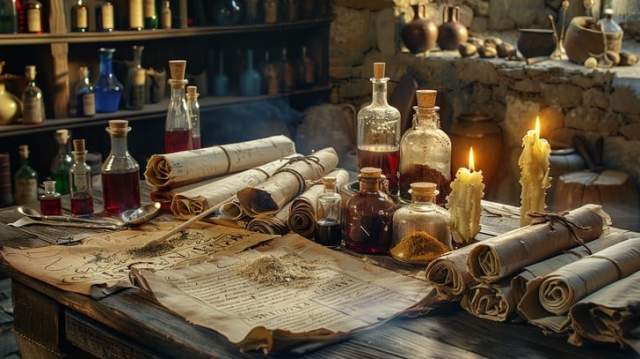
Here’s where things get interesting: medieval witchcraft and today’s science both have roots right here. A lot of alchemists weren’t just scientists, they also dabbled in what we’d now call magic or “the occult.” And many wise women often labeled witches, were exploring the same mysteries. They were all asking: how do things transform?
- Distillation: You know all that fancy glassware in modern labs? Its ancestors were alembics and retorts, the kinds of tools alchemists (and witches) used to distill potions or create powerful acids.
- Transmutation: The old belief that you could change one thing into another didn’t just fuel wild gold-making dreams, it set the stage for understanding chemical reactions. That was a huge leap toward natural philosophy becoming actual science.
These early experimenters weren’t just following some old book, they were trying things out, seeing what happened, writing it all down. Over time, their work got separated from its magical context and rebranded as “chemistry.” But at its heart? Same spirit of curiosity.
From the Witch’s Garden to Your Local Pharmacy
Let’s talk medicine for a minute. One of the clearest links between ancient witchcraft and modern science is hiding in plain sight, in your medicine cabinet! For centuries, if you got sick, you didn’t run to a hospital; you went to see the local healer or “cunning woman.” These women knew plants like nobody else, wisdom handed down through generations.
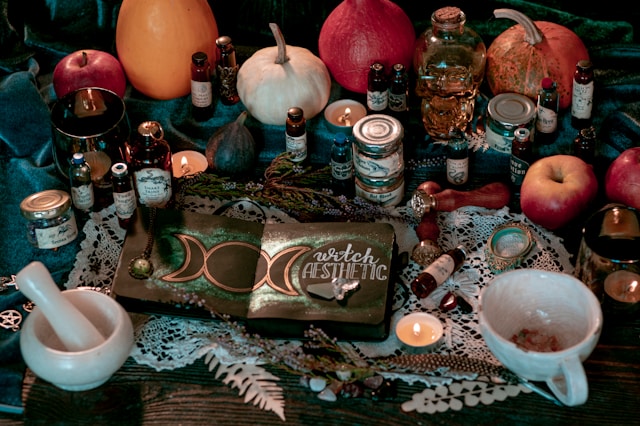
This is where herbal witchcraft meets pharmacology head-on. These healers knew which leaves helped fevers, which roots eased pain, and which flowers calmed nerves. Forget supernatural magic, this was hands-on science learned by trial and error.
- Willow Bark: Folk healers used it for pain and fever relief long before anyone knew why it worked. Turns out willow bark contains salicin, the very thing scientists later turned into aspirin.
- Foxglove (Digitalis): Used in old remedies for “dropsy” (which we now know is heart failure), foxglove gave us digitalis, a medicine still used for certain heart conditions today.
- Belladonna (Deadly Nightshade): Super toxic if you mess up the dose, but ancient practitioners figured out how to use tiny amounts as muscle relaxants or anesthetics. Modern doctors still use its derivatives like atropine in eye exams and surgery.
You see what I mean? These folks were running their own version of clinical trials, testing doses, watching results even before anyone invented double-blind studies.
Rituals or Science? Ancient Roots of the Scientific Method
It’s easy to look back at old rituals and roll your eyes, they seem weird or superstitious from our perspective. But if you look closer at those traditions? You’ll find some pretty familiar steps buried inside.
Think about an old harvest ritual not just about chanting or waving sticks around. Usually, there was an exact process:
- Observation: Watch the moon phases, notice which stars are out, and pay attention to weather changes.
- Hypothesis: Maybe planting during a waxing moon makes crops grow better.
- Experimentation: Plant according to those rules.
- Data Collection: See how well your crops do compared to last year, or compared to someone who planted at a different time.
- Conclusion: Update your ritual based on what actually worked.
Sound familiar? That cycle of observation-hypothesis-experimentation is literally how modern science works! Those medieval practices even if they included some astrological charts, were early attempts at modeling nature and making predictions. In other words: baby steps toward scientific thinking.
A Dark Twist: Witch Trials Accidentally Saved Knowledge
Now for one of history’s cruelest ironies: the era of witch trials was tragic beyond words, thousands suffered because their knowledge didn’t fit official beliefs but those same persecutions ended up preserving valuable information.
How? Well, inquisitors kept detailed records as they hunted witches and while they meant these notes as damning evidence, they accidentally created archives full of folk wisdom! Hidden in these grim files are lists of herbs used for healing, recipes for ointments or potions even explanations about when and how treatments should be given.
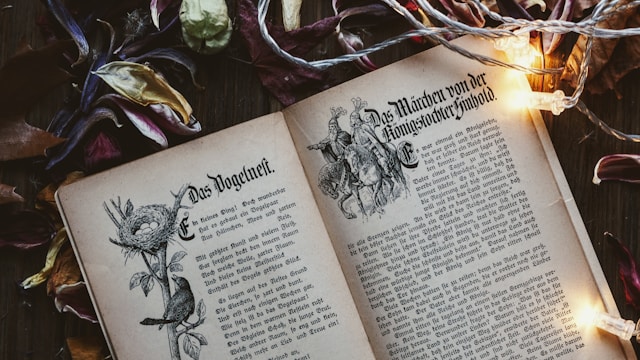
Sure, authorities wrote them off as confessions made under duress or proof of pacts with dark forces but today we recognize them as snapshots of lost empirical knowledge. It’s complicated and heartbreaking but without these records we might know even less about what those early healers actually did.
Connecting Past & Present: The Unbroken Thread
So here’s the big picture: science isn’t some neat story where one idea cleanly replaces another, it’s messy and human all the way through! The principles behind today’s research labs go way back to kitchens filled with herbs and mysterious brews.
From alchemists chasing transformation (laying foundations for chemistry), to herbalists tending gardens (who became our first pharmacists), that influence runs deep. Even rituals built around careful observation paved the way for our beloved scientific method.

Next time you see someone in a lab coat pipetting chemicals or analyzing data on a computer screen, maybe take a second to remember all those forgotten contributors, the healers by candlelight or alchemists scribbling notes late into the night who made today possible.
Who knows? Maybe even more parts of our world have roots in traditions we’ve nearly forgotten about. What do you think? What else from our everyday lives might be tied back to hidden histories like these?