
Have you ever watched one of those jaw-dropping videos where a rescue team hauls a stranded dolphin back into the ocean or airlifts a groggy rhino to safety? Pretty wild, right? These moments aren’t just heartwarming, they’re actually the face of a quiet revolution that’s happening right now. See, animal rescue isn’t just about brave folks with nets and tranquilizer darts anymore. Nope, it’s turned into this super high-tech, data-driven field where innovation is saving lives in ways we honestly couldn’t have imagined even ten years ago.
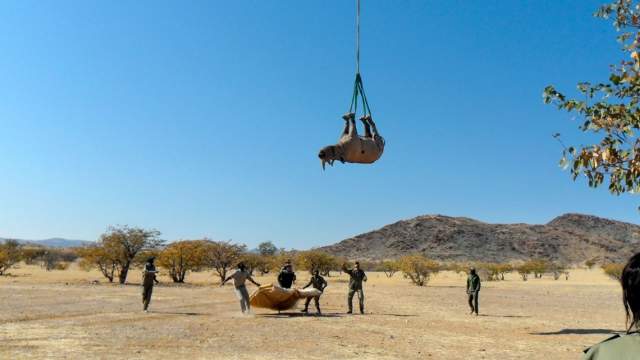
Let’s be real: the challenges out there are huge. We’re talking raging wildfires, massive floods, relentless poaching, and shrinking habitats. But here’s the cool part, the tools we’ve got now are just as impressive as the problems are tough. So, let’s take a closer look at some of these game-changing techniques that are completely rewriting the rules for modern animal rescue.
How Drones Are Changing the Game
How about trying to find an injured koala somewhere in a thousand acres of burnt forest. On foot? That’d be nearly impossible not to mention painfully slow. But toss a drone into the mix and suddenly it’s a whole new story. Honestly, drones have become absolute game-changers for animal rescue teams.
These unmanned aerial vehicles, UAVs if you want to sound fancy, are now must-haves for rescuers. They can cover crazy amounts of rough or dangerous ground way faster (and safer) than people ever could on their own. And they don’t just give you a nice aerial view either. Many come with thermal imaging cameras, which are honestly amazing for finding animals in trouble. With thermal imaging, an animal’s body heat pops out as this bright spot against the cooler background even if they’re hiding under thick leaves or it’s pitch dark out.
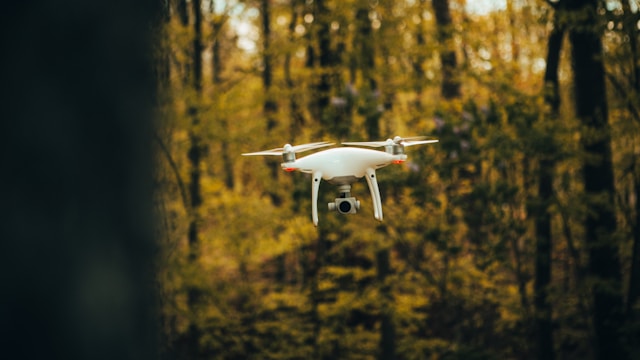
Remember those devastating Australian bushfires in 2019 and 2020? Drones were absolutely critical for finding and saving countless koalas and other wildlife by directing rescue crews exactly where they needed to go. It was like having eyes everywhere at once.
AI Prediction
When most people hear “Artificial Intelligence,” they probably picture robots straight out of a sci-fi movie. But honestly, AI is doing some of its best work behind the scenes especially when it comes to animal rescue and conservation.
So how does it help?
- Predicting Trouble Spots: AI can sift through satellite images, climate data, and even patterns of human activity to guess where conflicts between people and wildlife might happen next or where poachers could strike. That way, teams can get ahead of problems instead of always playing catch-up.
- Keeping Count: There are AI-powered systems that sort through thousands of hours of camera trap footage and actually recognize individual animals like telling leopards apart by their spots! This gives us accurate population counts without ever disturbing the animals.
- Listening Underwater: Out at sea, AI listens for specific sounds made by rare whales or dolphins so scientists can keep track of them without needing eyes on every wave.
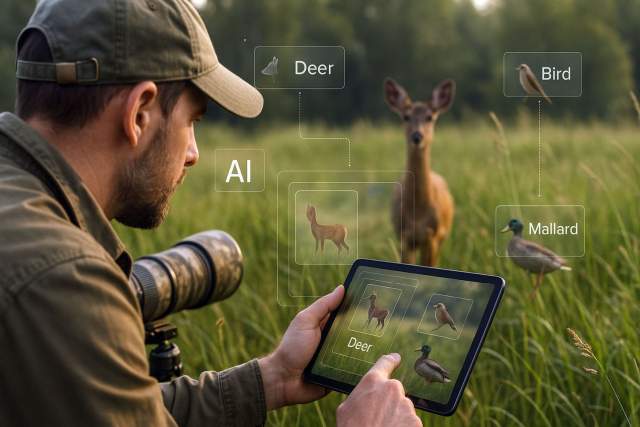
All this smart data crunching isn’t just cool tech, it’s become one of the pillars supporting today’s most innovative animal rescue efforts.
GPS & Satellites
Gone are the days when clunky radio collars meant getting up close with an antenna hoping for a beep. These days? The use of GPS tracking in protecting endangered animals has totally leveled up. Modern trackers are smaller, lighter (sometimes solar-powered!), and can send precise location info for years on end.
With satellites in play, researchers can monitor an animal’s movements almost in real time from anywhere around the globe. And this data is seriously useful:
- Pinpointing migration paths so we can protect those crucial travel routes.
- Finding important feeding or breeding spots that need extra protection.
- Setting up virtual “geo-fences” that ping rangers if, say, an elephant wanders too close to a village, helping avoid conflict before it starts.
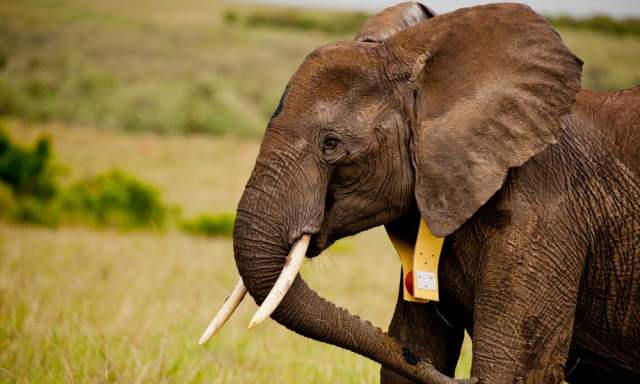
From sea turtles swimming across oceans to wolves roaming Yellowstone, successful rescues today often start with these high-tech tracking tools keeping tabs on our planet’s rarest creatures.
Wildlife Rehab Gets an Upgrade
Okay, so rescuing an animal is only step one, the real challenge is helping them heal enough to get back out there again. And wow, have things changed on this front! Veterinary technology has basically turned many wildlife rehab centers into state-of-the-art hospitals just for animals.
We’re talking portable digital X-ray machines and ultrasound devices that rescuers can actually carry out into the field for instant check-ups. Surgeries that used to be way too risky are now routine thanks to better anesthetics and smarter techniques. Heck, there are even underwater treadmills designed just for injured seabirds so they can build up strength before heading home!
It’s not just about fixing injuries anymore, it’s about giving each rescued animal its very best shot at survival after release.
Community-Led Rescue & Smarter Training
As awesome as all this tech is, let’s not forget what really makes animal rescue tick: people who care enough to act. Community-based approaches have turned out to be some of the most sustainable and effective ways to protect wildlife long-term.
Local communities usually spot animals in trouble first anyway and they know their land better than anyone else ever could. That’s why empowering locals matters so much! Training programs now teach community members how to use drones, GPS apps, and all sorts of new gear so they can jump into action fast when something goes wrong nearby.
And get this: citizen science projects invite regular folks (yep, even you!) to report wildlife sightings through simple mobile apps. Suddenly everyone with a smartphone becomes part of the rescue network! The more eyes we have looking out for animals in need, the better our chances get.
Facing Challenges Head-On
Of course, no revolution is perfect and animal rescue tech has its bumps too. All this equipment doesn’t come cheap; smaller grassroots groups sometimes struggle just to keep up with bigger organizations’ resources. Plus there are tough ethical questions around things like whether drones or tagging might stress animals out more than we realize.
But here’s where teamwork comes in clutch! Open-source software projects make expensive tech more accessible; partnerships between tech companies and conservation groups help share knowledge; ongoing research keeps pushing toward less invasive methods every year.
The dream? To make sure everyone who wants to save animals has access to these incredible tools, no matter where they live or how big their budget might be.
So yeah, the future of animal rescue feels like this thrilling blend of science fiction-level technology mixed with down-to-earth passion from communities worldwide. Whether it’s a drone spotting hidden life in scorched forests or local rangers using smartphones to track rhinos safely across savannas, it all adds up to hope for some of our planet’s most vulnerable creatures.
Which new rescue innovation gets you most excited? And hey, how do you think we could all pitch in to support these amazing efforts?