
Have you ever caught yourself wondering if we could just, you know, erase diseases from our family tree? Like, what if there was a way to make sure our kids never have to deal with those genetic conditions that have haunted generations before us? Well, believe it or not, this isn’t some wild science fiction idea anymore. We’re actually standing at the edge of something completely new, a time when gene-edited babies are shifting from heated debates in the lab to actual possibilities in real life. The tools to rewrite our DNA are here right now, and honestly, they’re about to answer one of humanity’s biggest questions: how will gene editing change human genetics forever?
Of course, all this power comes with a ton of hope but also a bunch of big, tricky ethical questions. So let’s dive into these mind-blowing breakthroughs and talk about what they might mean for our future.
So What Exactly Are Gene-Edited Babies? How Does This Even Work?
Alright, let’s break it down. A gene-edited baby is basically a child whose DNA gets intentionally tweaked at the embryo stage. Imagine your DNA as a massive instruction manual for building “you.” Sometimes, though, there are little typos, genetic mutations that can cause some pretty serious problems later on. Gene editing is all about fixing those typos before they turn into trouble.
When it comes to creating “designer babies,” there are a few different gene editing techniques out there. But honestly? One tool totally stands out:
- CRISPR-Cas9: You’ve probably heard this name floating around. CRISPR (which stands for Clustered Regularly Interspaced Short Palindromic Repeats) is often called “molecular scissors.” That’s because it can be programmed to zoom in on a specific stretch of DNA, snip it right where you want, and then let the cell’s own repair system either patch things up or swap in a healthy version of the gene. Usually this happens in a lab during IVF before the embryo is even implanted.

Sure, other tools like TALENs and Zinc-Finger Nucleases exist too, but CRISPR is kind of the rockstar here when it comes to making precise changes.
The Big Promise: Wiping Out Genetic Diseases
Probably the most exciting thing about this technology is its potential to wipe out hereditary diseases, forever. The impact gene-edited babies could have on genetic disorders is honestly huge. Just picture a world where families don’t have to worry about passing down things like:
- Huntington’s Disease: A fatal disorder that damages nerve cells in your brain.
- Cystic Fibrosis: Tough on the lungs and digestive system, really hard on quality of life.
- Sickle Cell Anemia: Causes pain and chronic health issues.
- BRCA Mutations: These crank up your risk for breast and ovarian cancers.
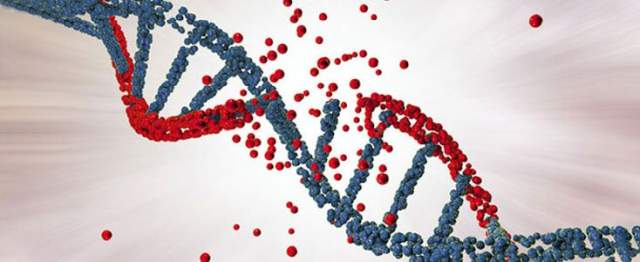
And get this: scientists are moving fast. While we haven’t seen many (or really any) live births of gene-edited babies yet, mostly because it’s controversial and risky, the research side is booming. Labs have already shown some incredible results using gene editing to prevent hereditary disorders in animal models and even human embryos (just not implanted ones). Bottom line: correcting mutations at their source isn’t just possible, it’s already happening in experiments.
What’s New? CRISPR Keeps Getting Better
Genetics research moves crazy fast, seriously, blink and you’ll miss something big! Early versions of CRISPR had a bit of an “oops” problem: sometimes they’d cut the wrong part of your DNA (not ideal).

But lately? Things are looking way better. New versions called base editing and prime editing work more like gentle pencils than scissors, they can swap out single letters in your DNA without breaking anything apart. Way less room for mistakes! This kind of precision makes gene therapy much safer and opens up so many new possibilities.
Let’s Talk Ethics: Why Is Everyone So Worried?
Okay, here’s where things get complicated and heated. Editing human embryos brings up all kinds of ethical questions that scientists (and everyone else) are still wrestling with.
Here are some biggies:
- Unintended Consequences: Honestly, nobody knows for sure what might happen long-term when you tweak an embryo’s genes. Any change made today gets passed down forever. If we mess something up even by accident, it could haunt families for generations.
- Designer Babies: This one gets lots of attention (and anxiety). Fixing deadly diseases sounds great… but what if people start using this tech to boost intelligence or pick their baby’s looks? Suddenly we’re talking about “designer” children and maybe even bigger divides between rich and poor.
- Consent Issues: Embryos can’t exactly raise their hand and say “yes” or “no.” Is it fair to make permanent changes without their permission?
- Playing God: Some folks have deep personal or religious beliefs against changing the very stuff that makes us human.
Weighing these risks against the benefits is no easy task. Where do we draw the line between healing…and enhancing?
Who Decides? Laws & Opinions Around The World
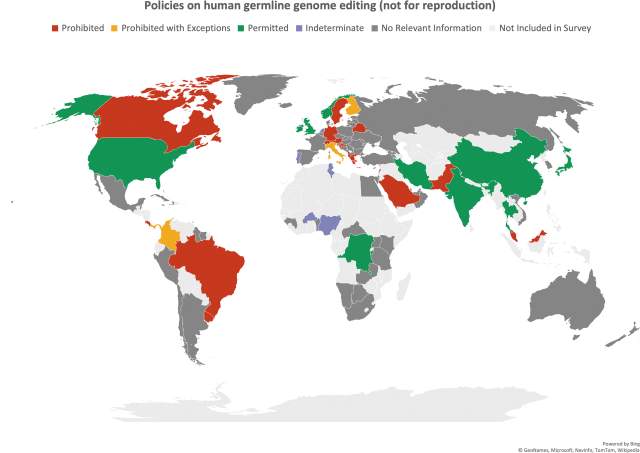
With so much at stake ethically, it probably won’t surprise you that there isn’t one clear set of global rules for gene-editing humans.
Here’s how things look right now:
- Most European countries (and Canada) say nope, germline editing is banned.
- The US doesn’t allow federal funding for embryo editing research…but private projects sometimes happen anyway.
- In the UK, labs can experiment on embryos but aren’t allowed to implant them.
After news broke in 2018 about scientist He Jiankui creating the world’s first gene-edited babies in China (without proper oversight), scientists everywhere freaked out, a lot called for putting everything on pause until safety standards catch up.
As for regular people? Most polls show support if gene-editing means stopping horrible diseases… but interest drops off fast if you start talking about picking traits just because someone wants them.
Looking Ahead: How Will This Change Us As Humans?
So…what happens next? Honestly, nobody fully knows! But one thing’s clear: we’re facing choices that could reshape humanity itself.
Until now, human evolution happened through random mutations over thousands, millions, of years. Now we’ve got tools to steer that process ourselves.
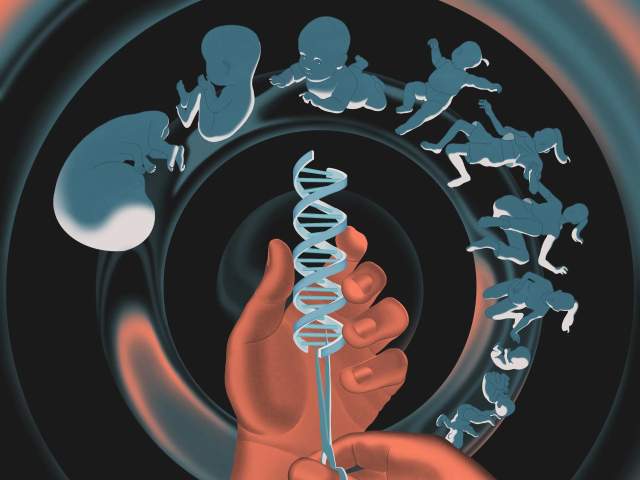
Every time someone edits an embryo’s DNA, they’re not just affecting one kid, they’re changing every descendant who comes after them too. That’s kind of mind-blowing when you stop to think about it.
Wrapping Up: Our Future Written In DNA
Here we are: standing at maybe the biggest crossroads humanity has ever seen. The power to create gene-edited babies offers so much hope, a real chance at ending hereditary suffering once and for all. But wow, it also brings giant ethical challenges that force us all to think deeply about who we are and who we want to become.
Moving forward means having tough conversations with scientists, ethicists, lawmakers…and honestly with each other as regular people too. We need caution, wisdom, empathy, all hands on deck to make sure we do this right.
The choices we make soon will echo through generations…literally written into our genes forever.
So what do you think? Where should society draw the line? This conversation is only just getting started and everyone has a stake in where it goes next.