
Ever find yourself scratching your head over someone’s behavior, wondering what’s really going on beneath the surface? We’ve all been there, maybe someone’s actions just don’t sit right with you, or something feels a little… off. It’s totally normal to be curious about why people act the way they do, especially when it seems a bit shady. So, what if I told you there’s actually an entire field devoted to figuring out these mysterious, sometimes unsettling sides of human nature? Welcome to the world of dark psychology. Don’t worry, it’s not all doom and gloom, it’s more about shining a light on those hidden forces that drive manipulation and influence our choices in ways we might not even notice.
Curious? Let’s dive in and unravel some eye-opening insights into dark psychology and what really makes people tick.
Defining Dark Psychology: What’s Really Going On?
Alright, so let’s clear things up: what exactly is dark psychology? It sounds kind of spooky at first, but honestly, it’s not some mystical thing. Basically, dark psychology is a branch of psychology focused on understanding the thoughts, feelings, and motivations that can lead someone to take advantage of others. While regular psychology tries to get a broad sense of human behavior, dark psychology zooms in on those moments when people act in selfish or manipulative ways.
It digs into psychological theories around certain “dark” personality traits and looks at how these show up in real life. Ever met someone who always seems to get their way, no matter who gets hurt along the line? Dark psychology helps explain how and why that happens.
The Dark Triad (and Friends): Key Traits You Should Know
At the core of dark psychology research are a few key personality types, most famously known as the “Dark Triad.” These aren’t mental illnesses, just clusters of traits that tend to rub people the wrong way.
- Narcissism: This is all about having an inflated sense of self-importance, craving admiration, and not really caring much about other people’s feelings. Picture that boss who always takes credit for your work or a friend who can turn any conversation back to themselves.
- Machiavellianism: Named after Niccolò Machiavelli (the guy who wrote The Prince), this trait shows up as cold-heartedness, emotional detachment, and a willingness to manipulate or deceive others for personal gain. Someone with this trait might genuinely believe “the ends justify the means.”
- Psychopathy: Think impulsivity, risk-taking, low empathy, and antisocial behavior. There are actually two flavors here, primary psychopathy (no anxiety or deep emotions) and secondary psychopathy (more about emotional instability often tied back to tough life experiences).
And hey, it doesn’t stop there! Researchers also look at traits like sadism (getting pleasure from others’ pain) and spitefulness. Understanding all these darker traits gives us a framework for spotting manipulative behaviors and figuring out where they come from.
The Hidden Forces: How Dark Psychology Shapes Behavior
So let’s talk about how this all plays out day-to-day. People with strong “dark” traits usually have an uncanny ability to spot other people’s weaknesses and then use them for their own benefit. It might sound dramatic, but these subtle forces can shape everything from big decisions down to tiny interactions.

For example: maybe someone high in Machiavellianism quietly sabotages a coworker to climb the ladder at work. Or perhaps a narcissist uses charm and flattery just to get ahead or win favors. Psychopathic folks might be more direct, taking risks or crossing lines without batting an eye because they simply don’t feel guilt like most people do. And here’s the thing: you’ll see bits of these behaviors everywhere not just in movies or crime shows.
Common Manipulation Tactics: How They Work
Let’s get specific for a second, what does manipulation actually look like? It isn’t always bold-faced lying; sometimes it’s much sneakier than that. Here are some tactics you might recognize:
- Gaslighting: Making someone question their memory or sanity (“I never said that!” when you know they did).
- Love Bombing: Showering someone with affection early on to gain control.
- Guilt Tripping: Playing on your emotions (“If you really cared about me…”).
- Silent Treatment: Withdrawing communication as punishment.
- Triangulation: Dragging in another person just to stir up drama.
- Playing the Victim: Always acting like life is unfair just to dodge responsibility or get sympathy.
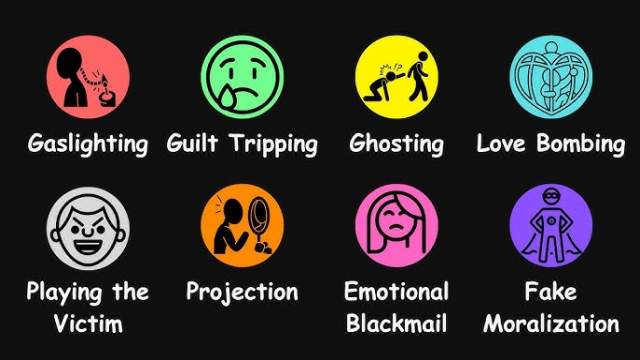
Ever experienced any of those? Being able to spot these moves is half the battle in protecting yourself from being manipulated.
The Science Behind It All: Why Does Manipulation Work?
You might be wondering, why do people fall for these tactics? Well, there are solid psychological theories behind them:
- Social Learning Theory: People learn by watching others. if manipulation works for someone else, why not try it?
- Cognitive Biases: Our brains love shortcuts! For instance, if someone seems charming (the “halo effect”), we’re more likely to trust them even if we shouldn’t.
- Attachment Theory: Sometimes unhealthy attachment styles from childhood make adults more likely to use (or fall for) manipulative tactics.
- Evolutionary Psychology: Some experts think certain dark traits helped humans survive tough situations way back when like competing for resources or mates.
So yeah it’s not random! There are deep-rooted reasons behind why these behaviors pop up again and again.
Spotting Dark Psychology Around Us
Think this stuff only happens in crime thrillers? Not quite. Dark psychology shows up everywhere:
- At Work: Maybe a coworker spreads rumors about another employee just before promotion time.
- In Relationships: One partner uses guilt trips or silent treatment as control tactics.
- In Ads & Marketing: Some campaigns play on your insecurities or use pushy persuasion techniques that border on manipulation.
- On Social Media: The pressure to appear perfect or subtle bullying can involve sneaky psychological tricks too.
Honestly, once you start noticing these patterns, they’re hard to unsee!
How To Spot These Traits In Real Life
Okay so how can you tell if someone has strong “dark” tendencies? No need for armchair diagnosing here; it’s more about picking up on patterns:
- They don’t seem bothered by other people’s feelings (lack of empathy)
- You always feel pressured or tricked around them (constant manipulation)
- Lying comes super easy even over small stuff
- They act like they’re better than everyone else
- Blaming others is their go-to move
- They’re charming but something feels fake
- Using others as stepping stones is kind of their thing

If you keep seeing several of these signs together in one person… well, just proceed with caution!
Where Do We Draw The Line?
It’s important not to confuse healthy influence with dark manipulation. Inspiring someone through encouragement is great; tricking them into doing what you want through deceit not so much.
Healthy influence respects boundaries and aims for win-win outcomes (think supportive coaches or great leaders). Dark psychology involves hiding true intentions and prioritizing personal gain over anyone else’s wellbeing which erodes trust over time.
So What Now? Ethical Takeaways
Studying dark psychology isn’t about learning how to manipulate others, it’s about protecting yourself and building healthier relationships overall. Knowing what goes on beneath the surface lets you spot red flags early on so you can steer clear or set better boundaries.

These insights aren’t just useful for psychologists they help all of us navigate tricky social dynamics every day. When we understand how manipulators operate and why we’re better equipped to build trust and empathy instead.
Wrapping Up: Shedding Light On The Shadows
Digging into dark psychology doesn’t mean becoming cynical; it means getting wise about human nature. Once we understand what drives manipulative behavior from sneaky everyday moves to more extreme cases, we’re way better prepared for whatever life throws at us socially.
By learning what these traits look like and how common manipulation works, we empower ourselves and hopefully help build kinder communities based on respect instead of exploitation. So what do you think, isn’t it wild how much goes unseen under the surface? And imagine how different things could be if more people understood these hidden forces at play! Once you shine a light on those shadows… suddenly they don’t seem quite so scary anymore.